
Textured Hairstyles: Add Dimension & Interest
Transform flat hair with texture techniques and products
What Is Texture in Hairstyling?
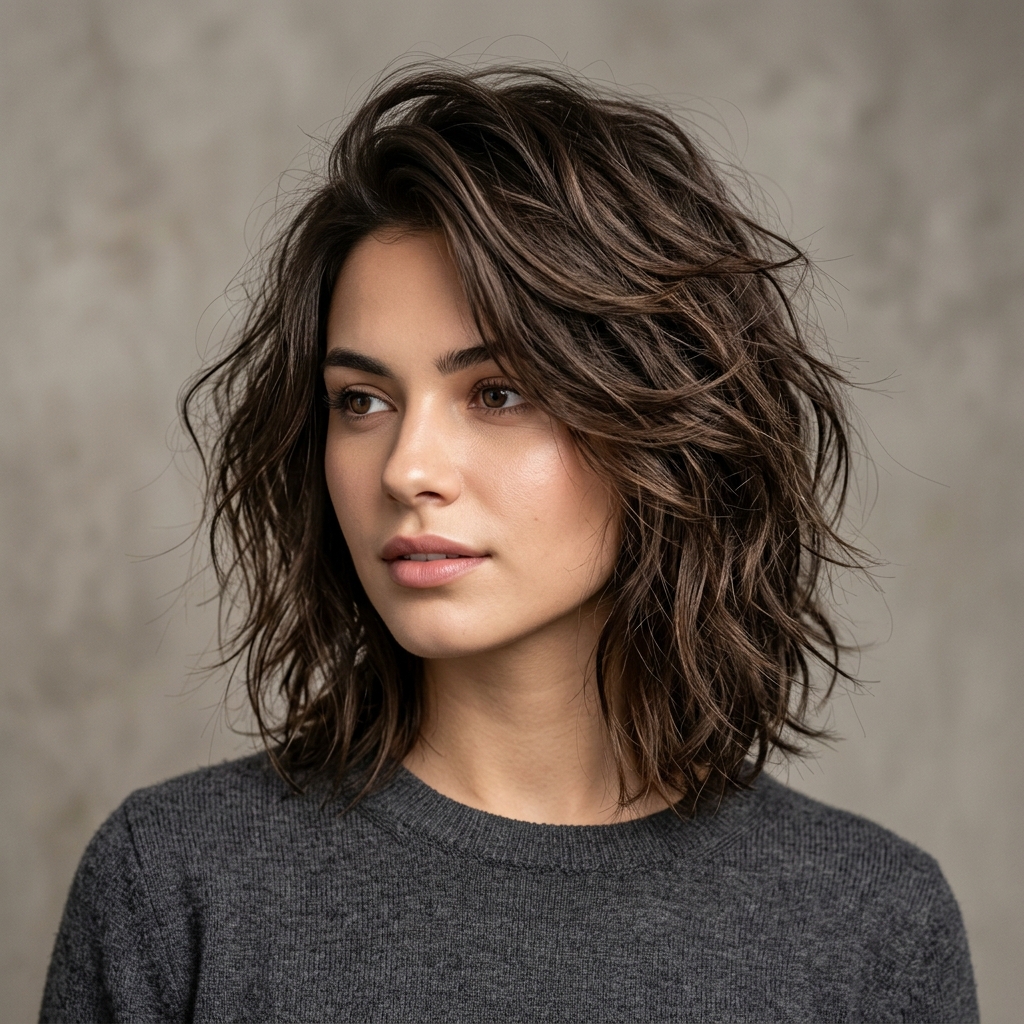
Texture in hairstyling refers to the surface quality and visual variation within hair. It's the difference between a smooth, uniform blowout and a tousled, piece-y, lived-in style. Texture adds depth, dimension, and visual interest that makes hair look dynamic rather than flat.
The Three Pillars of Texture
- Cut Texture: Built into the haircut itself through techniques like razoring, point-cutting, or texturizing shears
- Product Texture: Added through sea salt spray, clay, pomade, or texture powder
- Styling Texture: Created through technique — scrunching, twisting, finger-drying, or diffusing
HairPreview's "technique" and "product_finish" parameters specifically address texture. You can preview how different texture approaches look on YOUR face — from a matte, deconstructed finish to a glossy, structured texture.
Cutting Techniques for Texture
Point Cutting
The stylist cuts into the ends at an angle, creating irregular lengths that naturally separate. Subtle and safe for all hair types.
Razor Cutting
A straight razor creates feathered, wispy ends with extreme lightness. Best for medium to thick hair — can cause frizz on fine hair.
Slide Cutting
The shears slide down the hair shaft at an angle, removing weight internally. Creates movement without visible layers.
Texturizing Shears
Thinning shears with teeth that cut only some strands. Excellent for bulk removal on thick hair but should be used sparingly.
| Technique | Best Hair Type | Effect | Risk Level |
|---|---|---|---|
| Point cutting | All types | Subtle texture | Low |
| Razor cutting | Medium-thick | Dramatic texture | Medium |
| Slide cutting | All types | Internal lightness | Low |
| Texturizing shears | Thick | Bulk removal | Medium |
Texture by Hair Length
Short Textured Hair
Maximum impact. Every piece-y strand reads as intentional. Products: matte paste or clay for defined separation. Think: textured crop, messy pixie, or piece-y buzz.
Medium Textured Hair
The sweet spot for texture. Enough length for movement, short enough that texture holds all day. Products: texture spray or cream. Think: textured lob, choppy layers, modern shag.
Long Textured Hair
Texture prevents long hair from looking flat or lifeless. Internal texturing is key — visible choppy layers on long hair can look dated. Products: salt spray or light mousse. Think: beachy long layers, boho waves.
The Texture Product Hierarchy
Apply in this order for layered texture:
- Base: Texture spray or mousse on damp hair (creates foundation)
- Style: Air-dry or rough blow-dry with fingers
- Define: Matte paste or wax on dry hair (add separation)
- Finish: Light-hold hairspray at 12 inches (lock in without stiffness)
Common Texture Mistakes
- Too much product: Makes hair look greasy, not textured. Start with a dime-size amount.
- Wrong product weight: Heavy products flatten fine hair. Match product weight to hair density.
- Fighting your natural texture: Work WITH your hair's natural movement, not against it.
- Skipping the haircut: Products can't fix a one-length cut. Texture starts with the scissors.
- Uniform application: Apply product mainly to mid-lengths and ends, not roots (which need volume).
Style Variations

Choppy Texture
Point-cut or razor-cut ends creating deliberate irregularity. Edgy, modern, and full of movement.
Medium to thick hair; oval and diamond faces
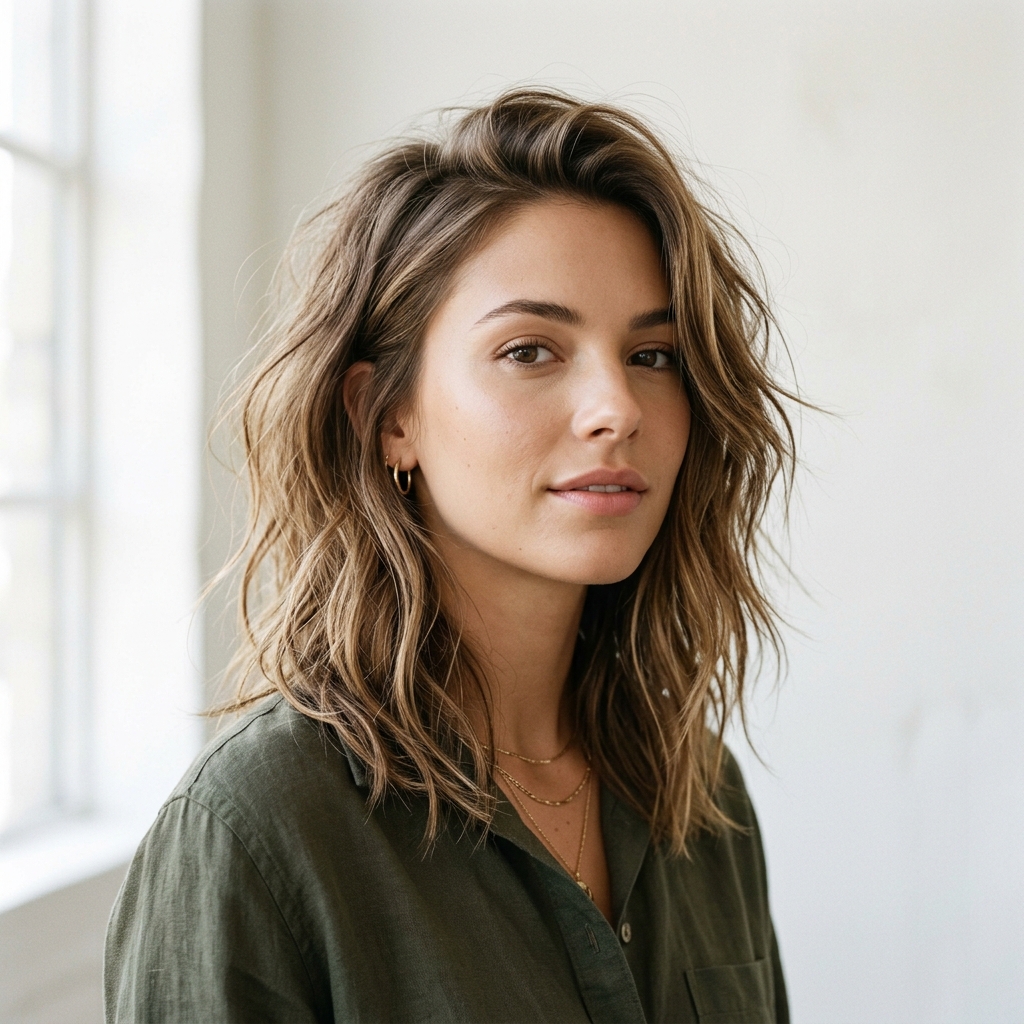
Lived-In Texture
Soft, effortless piece-y texture that looks like your hair naturally landed perfectly. The 'I woke up like this' aesthetic.
All face shapes; all hair types with the right products
Structured Texture
Deliberate, sculpted texture using pomade or clay. Each piece is intentionally placed for a editorial finish.
Short to medium hair; strong bone structure
Face Shape Compatibility
Texture adds personality to already balanced features. Go as dramatic as you like.
oval face guide →Crown texture adds height and vertical interest. Keep sides sleeker for elongation.
round face guide →Soft, tousled texture is your best friend — it breaks up angular lines organically.
square face guide →Side texture adds the width that long faces need. Avoid tall, voluminous crowns.
oblong face guide →Frequently Asked Questions
Volume is about overall fullness — how much space your hair occupies. Texture is about surface variation — the separation, movement, and visual interest within the hair. You can have volume without texture (a smooth blowout) or texture without volume (flat but piece-y waves). The best textured styles often combine both, but they serve different aesthetic purposes.
Three approaches: the CUT (razoring, point-cutting, or texturizing shears remove weight and create natural separation), the PRODUCT (texture spray, sea salt spray, or matte clay add grit and grip), and the TECHNIQUE (scrunching, twisting, or rough blow-drying with fingers instead of a brush). For flat, fine hair, texture spray is the strongest ally.
Razoring isn't inherently bad, but it depends on your hair type. It works beautifully on thick, medium-density hair by removing bulk and creating movement. However, razoring fine or damaged hair can cause frizz and split ends. Your stylist should evaluate your hair's condition and texture before deciding. HairPreview's condition assessment can help guide this decision.
For fine hair: dry texture spray or lightweight salt spray. For medium hair: texture cream or matte paste. For thick hair: clay or fiber paste for definition and hold. The key is layering — start with less product and build up. Applying to damp hair creates softer texture; applying to dry hair creates more defined separation.
Find Your Perfect Match
Upload your photo and let our AI engine analyze your face across 15 parameters — face shape, bone structure, hair texture, and more — for personalized hairstyle recommendations.
Try HairPreview Free →