
Layered Haircuts: Movement, Volume & Dimension
The art of layering — from subtle face-framing to dramatic cascading layers
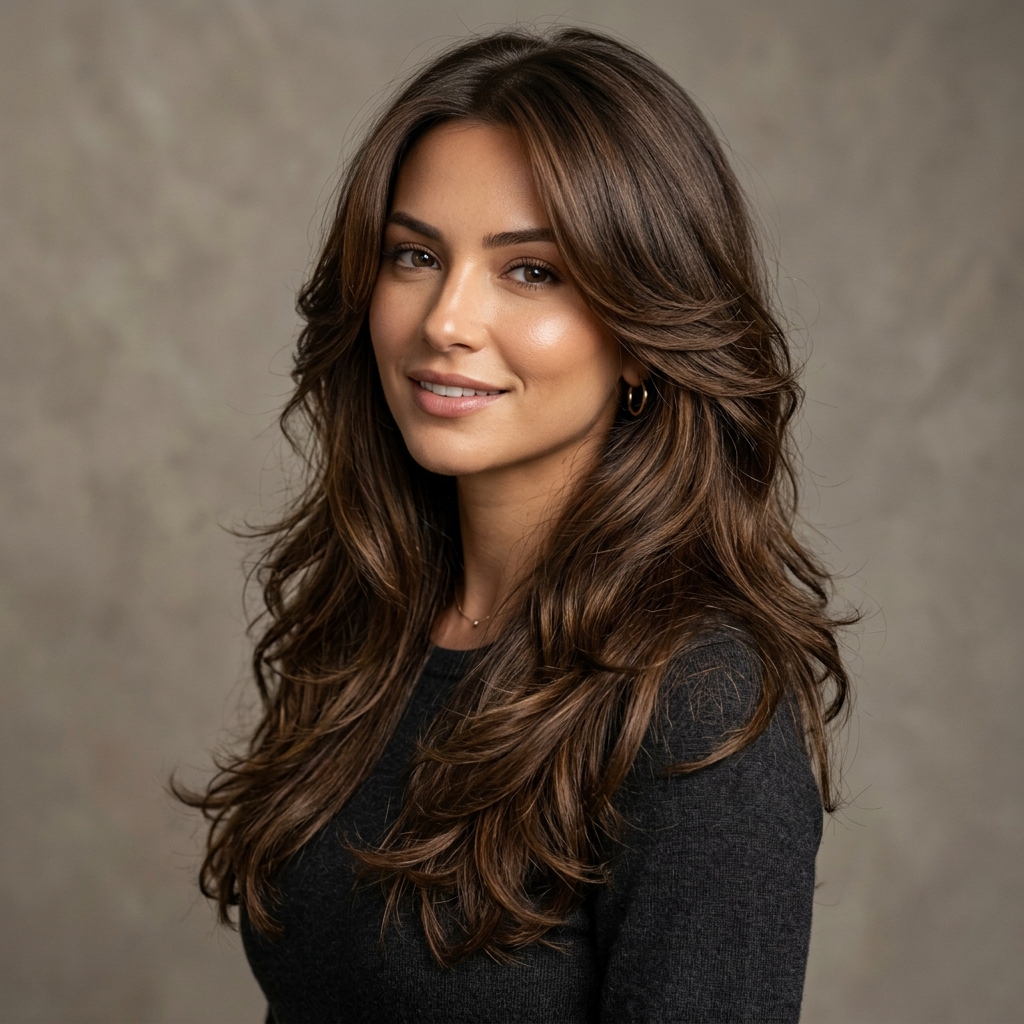
The Science of Layering
Layering is the most fundamental technique in modern hairstyling. At its core, layering involves cutting hair to different lengths, creating movement, reducing bulk, and adding dimension.
Why Layers?
- Volume: Short layers at the crown lift flat hair
- Movement: Multiple lengths create natural flow and bounce
- Face framing: Strategic layers highlight your best features
- Bulk reduction: Internal layers thin out thick hair without changing shape
HairPreview's 15-parameter engine evaluates your hair density, thickness, and texture to recommend the optimal layering approach — from subtle face-framing to dramatic cascading layers.
Layering Techniques
Face-Framing Layers
The most conservative approach. Layers are concentrated around the face (starting at cheekbone to chin level), leaving the rest of the hair at one length.
Long Layers
Subtle transitions between lengths, typically with 2-3 inches of difference. Creates a soft, blended effect.
Short Layers
Dramatic volume at the crown and movement throughout. Typically 4+ inches of difference between shortest and longest layers.
Choppy/Textured Layers
Created with razoring or point-cutting, producing a modern, deconstructed texture.
Invisible/Internal Layers
Cut underneath the surface of the hair to remove bulk without any visible steps. Perfect for very thick hair.
Layer Placement by Face Shape
The position of your shortest and longest layers directly affects how your face shape is perceived:
| Face Shape | Shortest Layer Start | Longest Layer End | Effect |
|---|---|---|---|
| Oval | Cheekbone | Natural length | Enhance balance |
| Round | Below chin | Past collarbone | Elongate |
| Square | Cheekbone | Past jaw | Soften angles |
| Heart | Chin | Collarbone | Balance width |
| Oblong | Ear/Temple | Chin to shoulder | Add width |
| Diamond | Chin | Natural length | Balance proportions |
HairPreview AI Layer Analysis
Our engine's "technique" parameter specifically evaluates layering options:
- Layered: Classic graduated layers
- Textured: Razored, piece-y layers
- Feathered: Soft, graduated edges
- Blunt: Single-length baseline for comparison
Style Variations
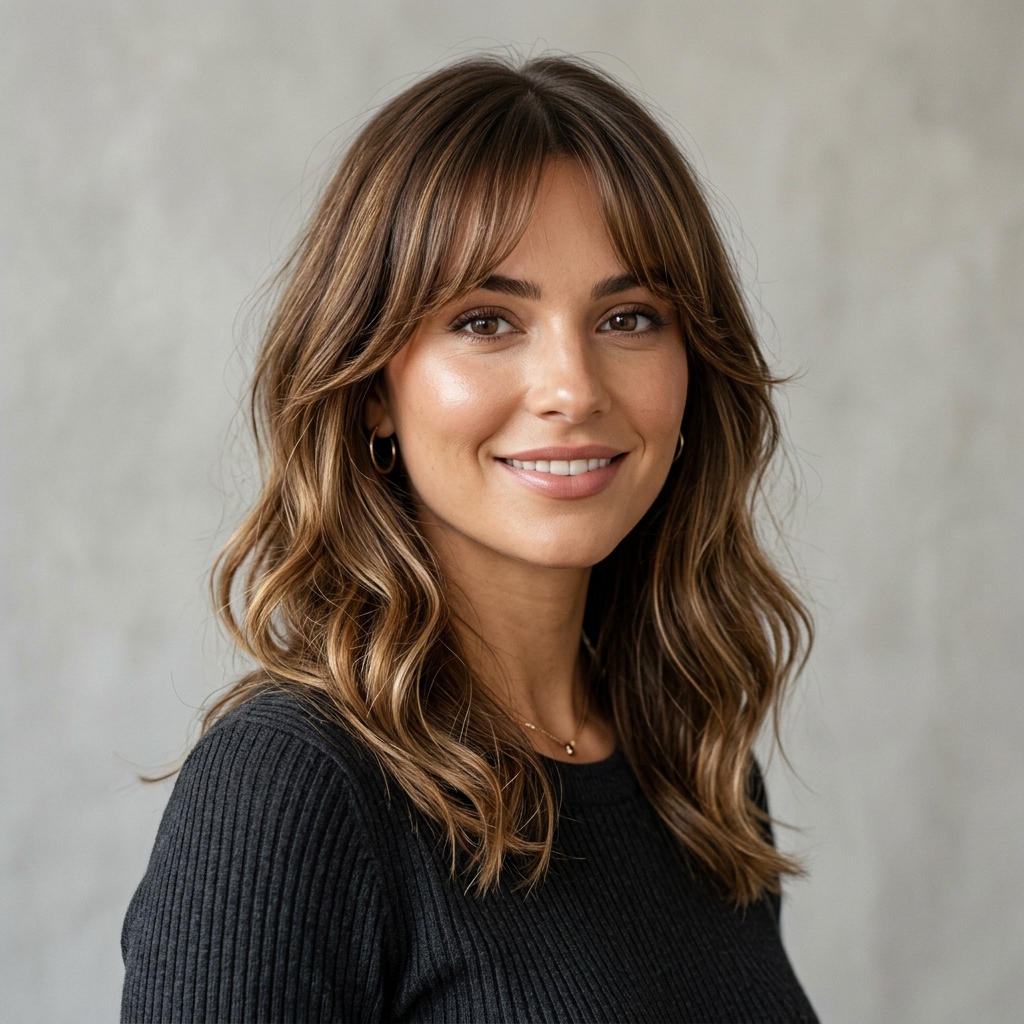
Face-Framing Layers
Layers concentrated around the face, starting at the cheekbones or chin. Adds dimension without removing bulk from the rest of the hair.
All face shapes; anyone wanting subtle change
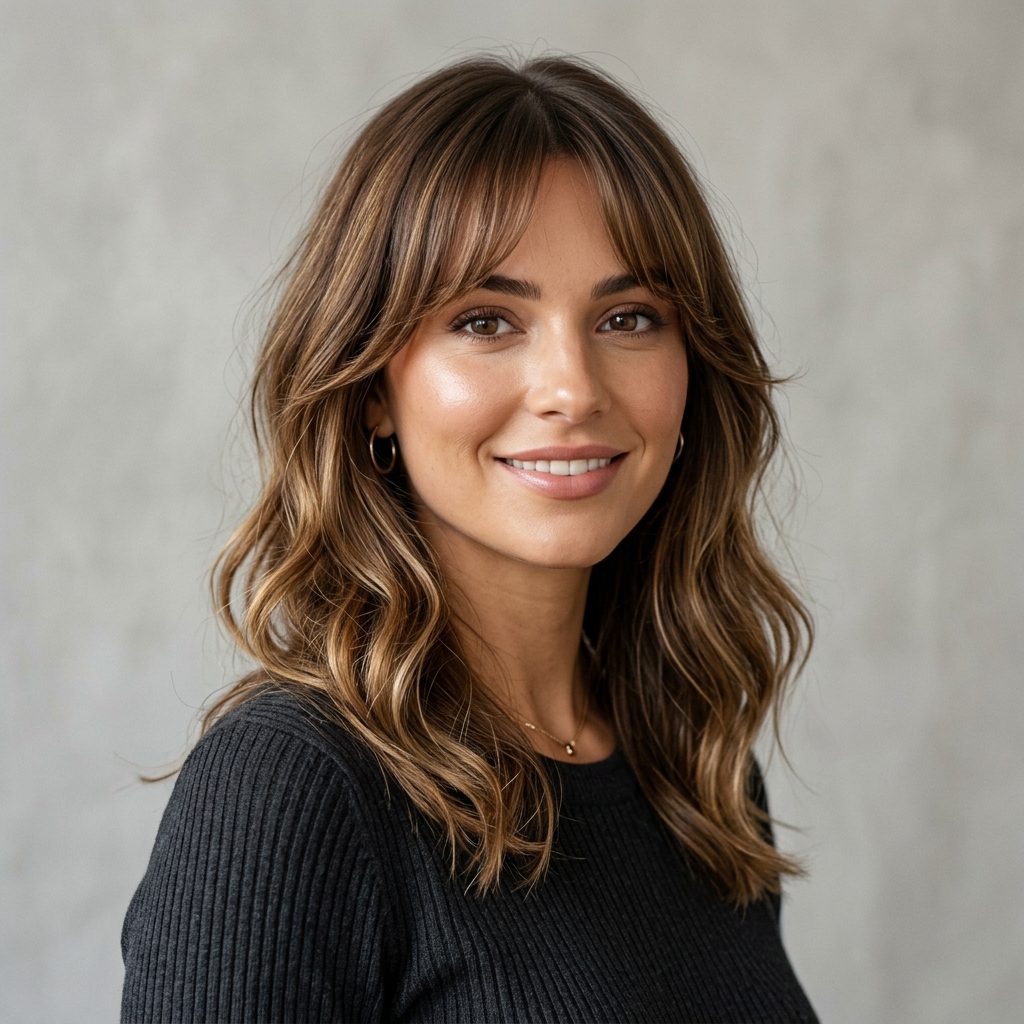
Long Cascading Layers
Multiple long layers throughout the hair creating a waterfall effect and natural movement.
Thick hair; long hairstyles needing movement
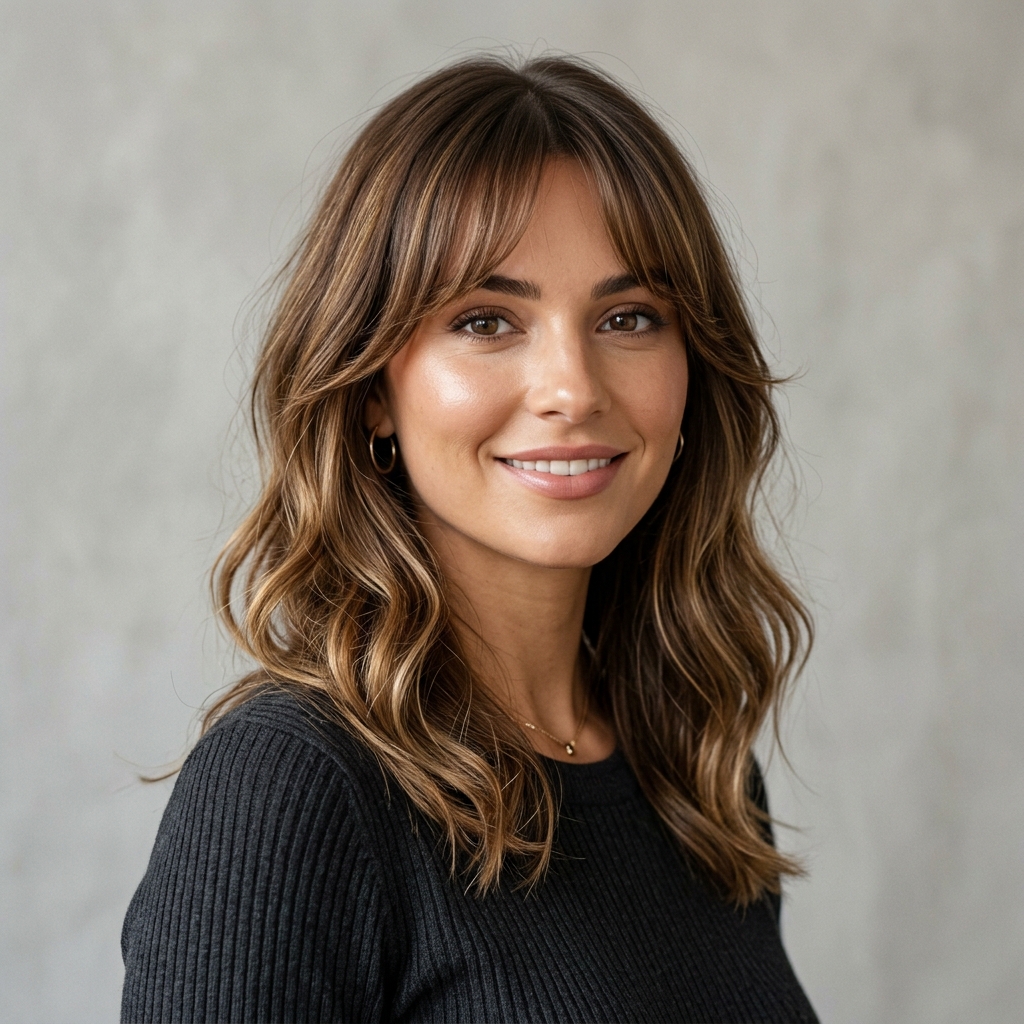
Choppy Layers
Razored or point-cut layers creating a piece-y, deconstructed texture. Modern and edgy.
Medium to thick hair; adding attitude to any length
Face Shape Compatibility
Long layers create vertical lines that elongate. Start layers below the chin.
round face guide →Short to medium layers add width. Avoid very long layers that elongate further.
oblong face guide →Chin-length layers balance narrow forehead and chin with wide cheekbones.
diamond face guide →Frequently Asked Questions
The main types are: face-framing layers (around the face only), long layers (subtle, blended transitions), short layers (dramatic volume at the crown), choppy/textured layers (piece-y, deconstructed), and invisible layers (internal layers for bulk removal without visible steps).
Strategic layers can actually make thin hair look thicker by adding movement and volume. However, too many layers can make fine hair look even thinner. HairPreview's AI considers your hair density parameter to recommend the ideal layering approach.
Every 6-8 weeks for short to medium layered cuts, and every 8-12 weeks for long layered hair. Regular trims prevent layers from growing out into an unshapely mass.
Yes, but curly layering requires special technique. Layers should be longer than on straight hair (to account for curl shrinkage), and the cutting technique matters — sliding or point-cutting works better than blunt cuts on curls.
Find Your Perfect Match
Upload your photo and let our AI engine analyze your face across 15 parameters — face shape, bone structure, hair texture, and more — for personalized hairstyle recommendations.
Try HairPreview Free →