
Bob Hairstyles: The Complete Guide
From classic bobs to modern variations — find your perfect bob
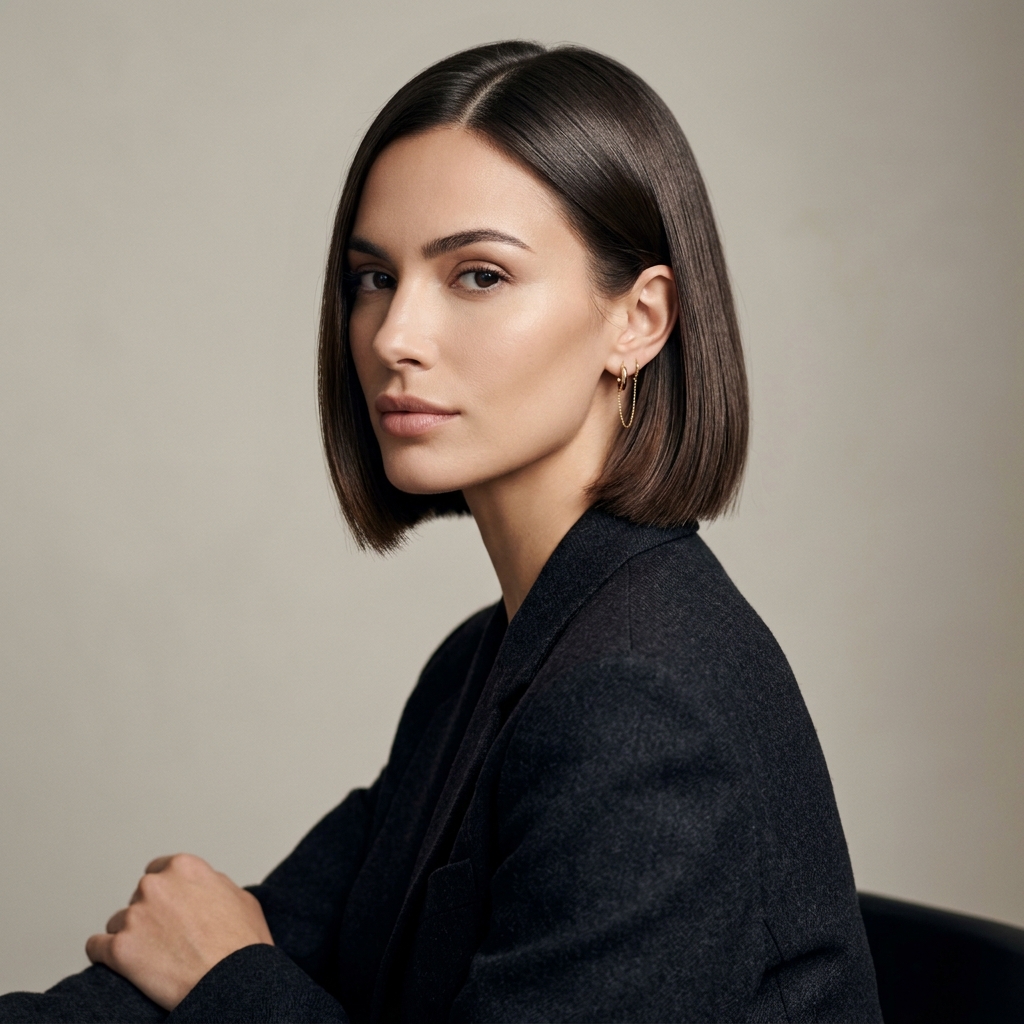
The Bob: A Timeless Foundation
The bob haircut has been a cornerstone of modern hairstyling since the 1920s when it represented women's liberation and a break from tradition. Over a century later, it remains one of the most requested haircuts worldwide — and for good reason.
Why the Bob Endures
The bob's longevity comes from its remarkable adaptability. It can be:
- Sleek and professional for corporate settings
- Textured and lived-in for casual everyday wear
- Dramatic and editorial for fashion-forward statements
- Soft and romantic with the right layers and texture
HairPreview's 15-parameter engine can simulate multiple bob variations on your actual photo, letting you compare how a classic bob vs. a textured lob vs. an inverted bob looks on your specific face shape and bone structure.
Bob Variations Explained
Classic Bob
The original: a one-length cut at or just below the chin. Clean, structured, and endlessly chic. Works best on straight to slightly wavy hair.
Maintenance: Medium — requires trims every 4-6 weeks to maintain the clean line.
Inverted (Graduated) Bob
Shorter at the back nape, gradually lengthening toward the front. The angle can be subtle or dramatic.
Best for: Adding perceived length to round faces and creating a more angular silhouette.
A-Line Bob
Similar to the inverted bob, but with a more distinct length difference between front and back. The front pieces typically reach chin length or below while the back is noticeably shorter.
Stacked Bob
Layers are "stacked" at the back, creating volume and roundness at the crown. Often shorter in the back with textured layers.
Best for: Fine hair that needs volume, and anyone who wants a structured, defined shape.
Textured Lob (Long Bob)
The most popular modern variation. Hitting at or just past the collarbone, with piece-y, textured ends that create effortless movement.
Best for: Anyone wanting bob aesthetics with long-hair versatility.
Blunt Bob
A sharp, geometric cut with no layering — the ultimate statement bob. Made famous by Vogue editors and fashion icons.
Caution: Can emphasize a square jawline or make round faces appear wider. Best on oval and oblong faces.
Face Shape × Bob Matrix
HairPreview's AI doesn't just identify your face shape — it measures the exact ratios that determine which bob variation will be most flattering:
- Jawline angle: Determines whether a blunt or textured finish works better
- Forehead-to-chin ratio: Guides length decisions
- Cheekbone width: Influences where volume should be placed
- Face length-to-width ratio: Decides between standard and elongated bob lengths
Styling Your Bob
For Fine Hair
- Use volumizing mousse at the roots before blow-drying
- Consider an inverted or stacked bob for built-in volume
- Avoid heavy products that weigh down the hair
For Thick Hair
- Thinning layers can reduce bulk while maintaining shape
- A textured lob with internal layering prevents the "triangle" effect
- Use smoothing serum to control texture
For Curly Hair
- Cut dry to account for curl pattern
- Allow extra length for shrinkage
- Use curl-defining cream for structured curls or diffuse for volume
Bob Maintenance Schedule
| Bob Type | Trim Frequency | Daily Styling Time |
|---|---|---|
| Classic Bob | Every 4-6 weeks | 10-15 min |
| Inverted Bob | Every 4-6 weeks | 10-20 min |
| Textured Lob | Every 6-8 weeks | 5-10 min |
| Blunt Bob | Every 4 weeks | 15-20 min |
| Stacked Bob | Every 4-6 weeks | 10-15 min |
Color Ideas for Bobs
Short hair makes color incredibly impactful:
- Balayage: Sun-kissed dimension on a lob
- Money Pieces: Face-framing highlights on a classic bob
- Vivid Color: Bold single-process on a blunt bob (think: cherry red, platinum)
- Root Shadow: Dark roots fading to lighter ends on an inverted bob
Style Variations
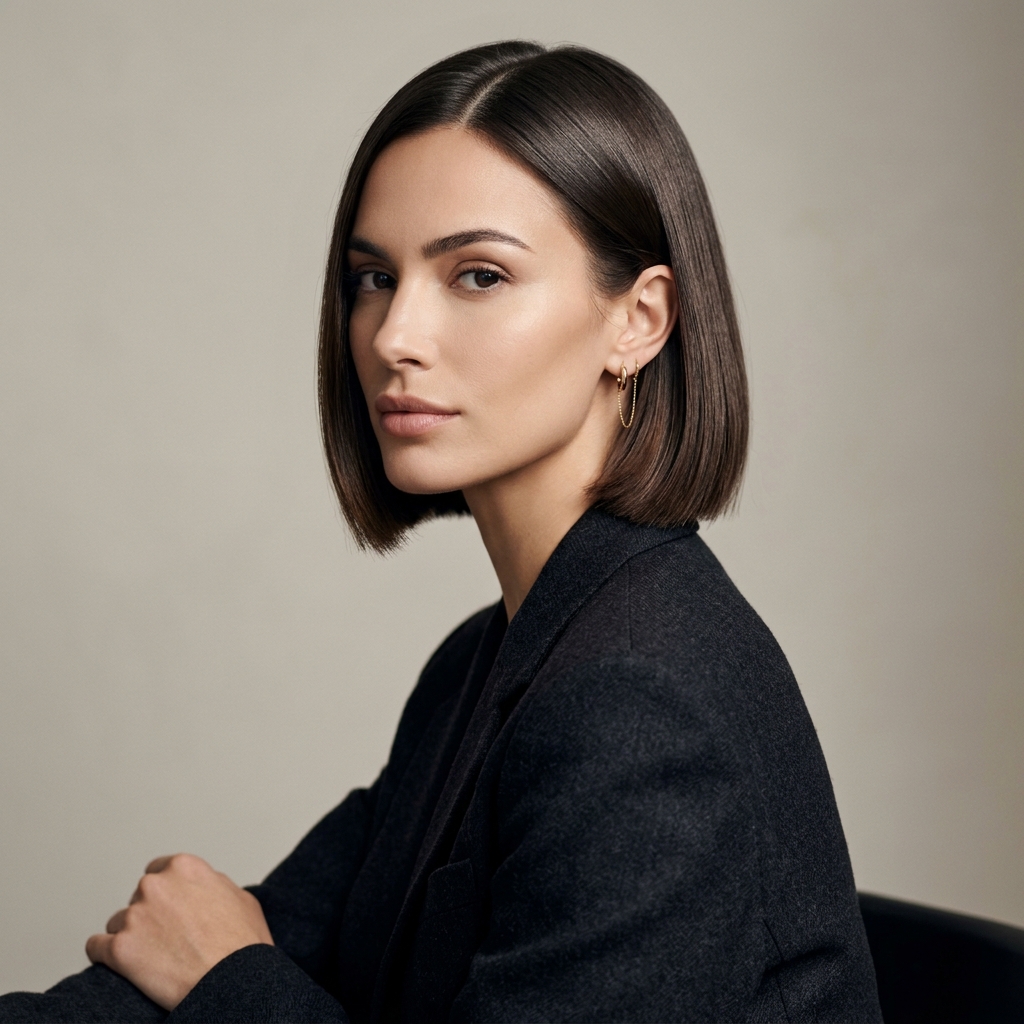
Classic Bob
A timeless chin-length cut with clean lines. The hair is cut to one length, creating a polished, structured silhouette.
Oval and heart face shapes; fine to medium hair density
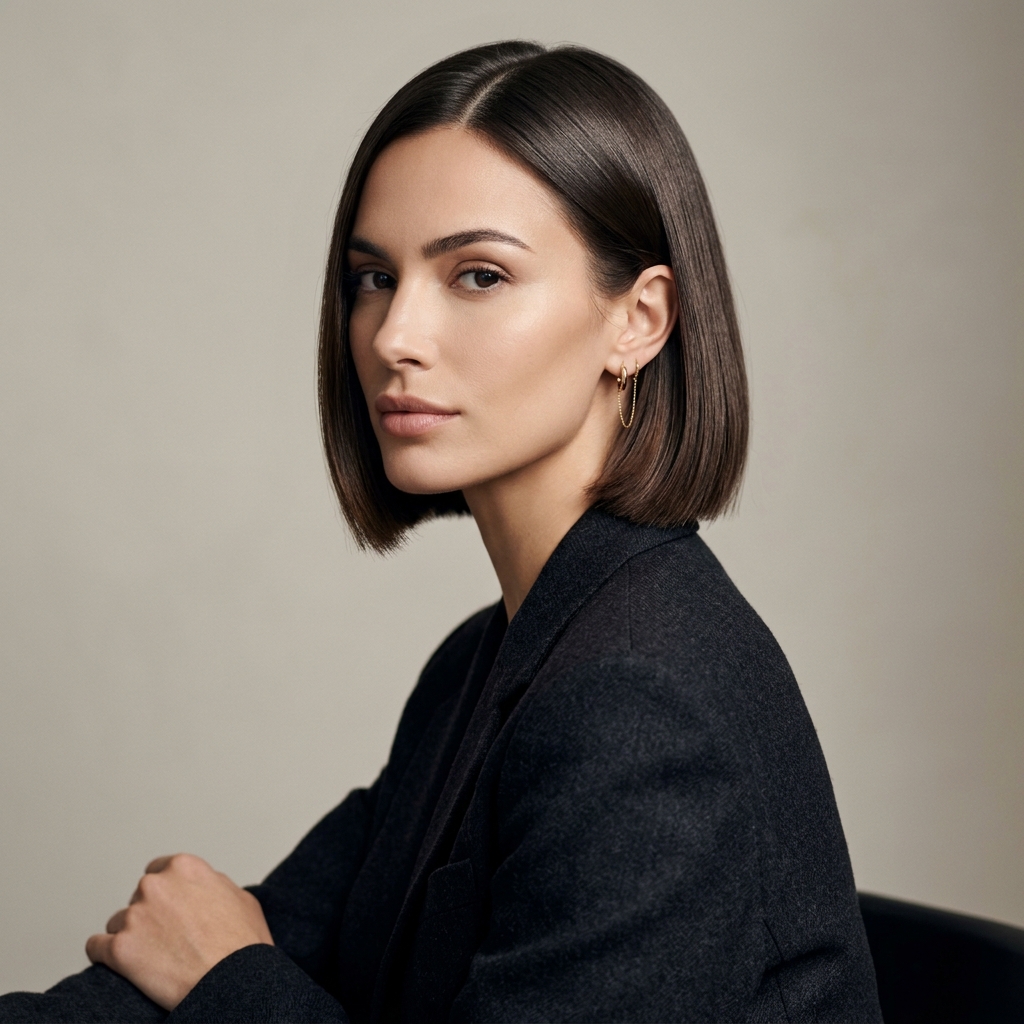
Inverted Bob
Shorter in the back, gradually lengthening toward the front. Creates an angular, modern look with built-in movement.
Round faces; adds perceived length and creates angles
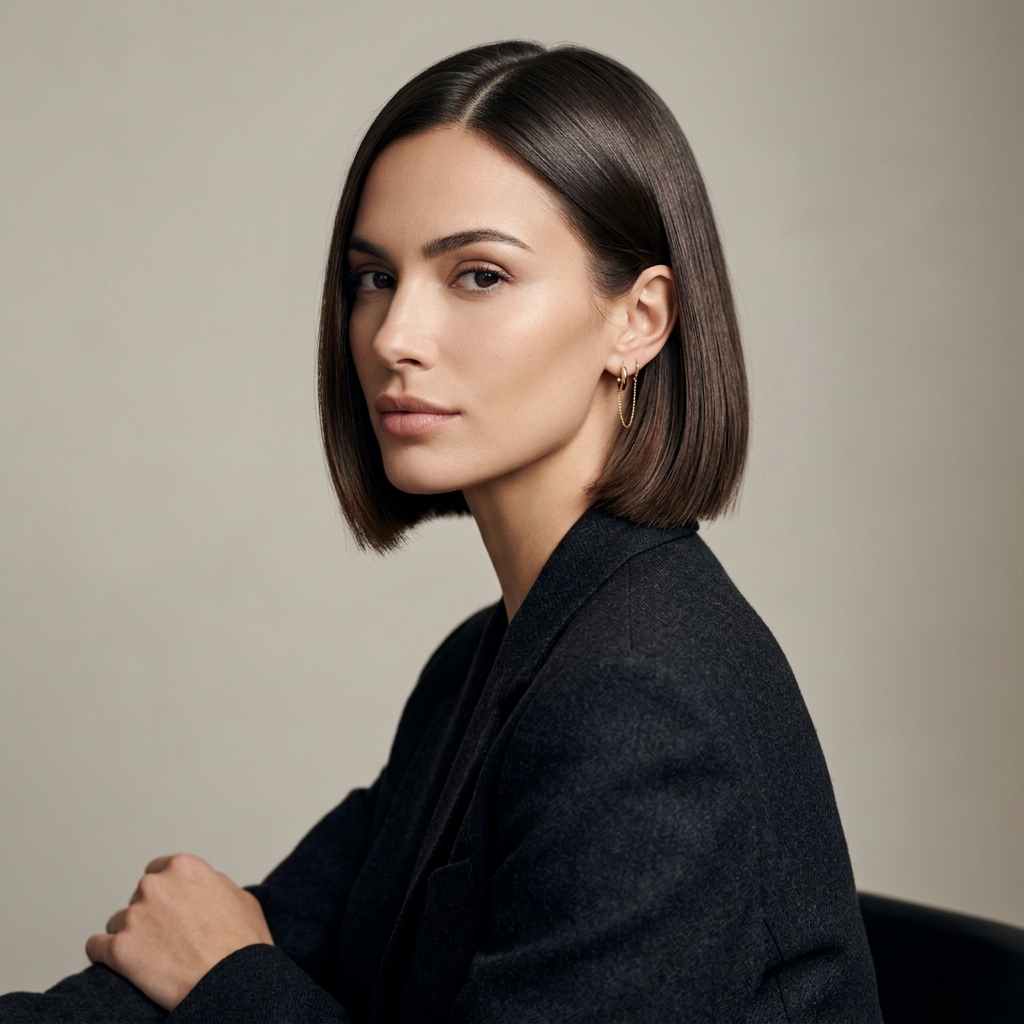
Textured Lob
A long bob hitting just past the collarbone with choppy, lived-in texture. The modern default for versatility.
All face shapes; medium to thick hair
Face Shape Compatibility
Almost any bob variation works. Try a classic chin-length for maximum impact.
oval face guide →Choose an inverted or A-line bob to add angles. Avoid blunt chin-length bobs.
round face guide →Textured bobs with soft layers soften angular features. Keep length below the jaw.
square face guide →Chin-length bobs with volume at the ends are ideal — they balance a wider forehead.
heart face guide →Side-swept bobs with volume at the sides work. Avoid long, straight bobs that elongate.
oblong face guide →Frequently Asked Questions
Oval and heart face shapes are particularly well-suited for bobs, but with the right variation, every face shape can rock a bob. The key is choosing the right length, layering, and texture. HairPreview's AI analyzes 15 facial parameters to match you with the ideal bob variation.
It depends on the variation. Textured lobs and messy bobs are quite low maintenance, while sleek, blunt bobs require regular trims every 4-6 weeks and daily styling. Consider your lifestyle when choosing — HairPreview's care difficulty parameter helps gauge this.
Absolutely! Curly bobs are stunning and increasingly popular. The key is finding a stylist experienced with curly cuts (like the DevaCut method) and accounting for shrinkage — curly hair should be cut longer than the desired final length.
A bob typically falls at or above the chin, while a lob (long bob) extends to the collarbone or just past it. Lobs offer more versatility for updos and styling while maintaining the bob's clean aesthetic.
Bangs and bobs are a classic combination! Curtain bangs soften the look, blunt bangs add drama, and side-swept bangs create asymmetric interest. Your forehead height and face shape determine the best bang type — try HairPreview's virtual preview before committing.
Find Your Perfect Match
Upload your photo and let our AI engine analyze your face across 15 parameters — face shape, bone structure, hair texture, and more — for personalized hairstyle recommendations.
Try HairPreview Free →