
Braided Hairstyles: Artistry & Tradition
From simple three-strand braids to intricate protective styles
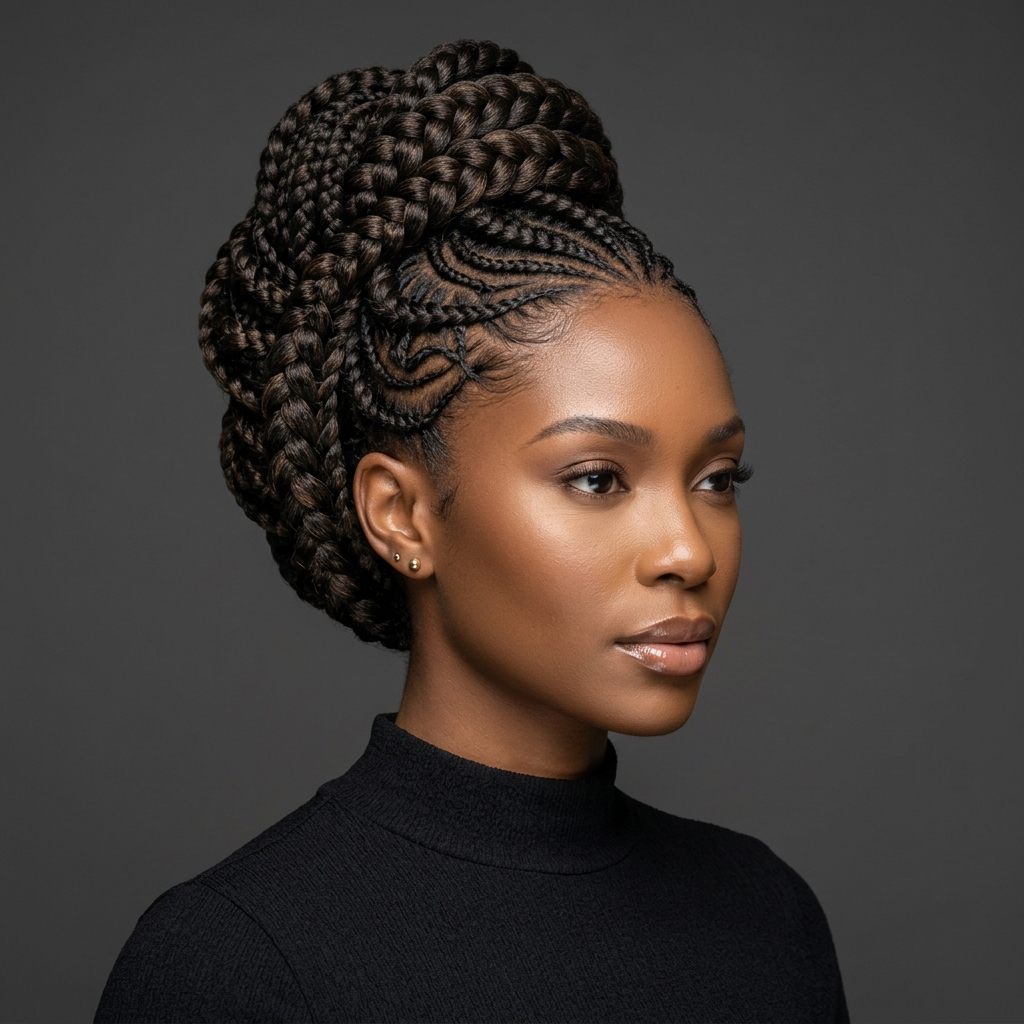
The Ancient Art of Braiding
Braiding is one of the oldest hairstyling techniques in human history, with evidence dating back over 5,000 years across African, Native American, Celtic, and Asian cultures. Today, braids serve as fashion, cultural expression, and practical hair protection.
Braid Complexity Guide
| Technique | Difficulty | Strands | Time | Minimum Hair Length |
|---|---|---|---|---|
| Three-strand | ★☆☆☆☆ | 3 | 5 min | Chin (3-4") |
| French braid | ★★☆☆☆ | 3 (adding) | 10 min | Shoulder (6") |
| Dutch braid | ★★☆☆☆ | 3 (adding under) | 10 min | Shoulder (6") |
| Fishtail | ★★☆☆☆ | 2 (alternating) | 15 min | Shoulder (8") |
| Rope braid | ★☆☆☆☆ | 2 (twisting) | 5 min | Shoulder (6") |
| Waterfall | ★★★☆☆ | 3 (dropping) | 15 min | Shoulder (8") |
| Crown braid | ★★★☆☆ | 3 (circular) | 20 min | Collarbone (10") |
| Box braids | ★★★★☆ | 3 per section | 4-8 hours | 4-6" (with extensions) |
| Cornrows | ★★★★☆ | 3 (scalp-braided) | 2-6 hours | 2-3" |
HairPreview's AI can analyze your face shape and recommend which braid placement (center, side, crown, or double) is most flattering for your proportions. Combined with hair length and texture analysis, we help visualize braided styles before the commitment.
The Four Foundation Braids
1. French Braid
The gateway to advanced braiding. Start with three strands at the crown; with each cross, add a new section from the side. The braid lies flat against the head.
Key tip: Smaller sections = tighter, more defined braid. Larger sections = faster, softer look.
2. Dutch Braid
The "inside-out" French braid. Instead of crossing strands OVER the center, cross them UNDER. This creates a raised, 3D braid that pops off the head.
Key tip: This is the technique used for "boxer braids" (two Dutch braids).
3. Fishtail Braid
Split hair into two sections. Take a thin strand from the outside of the left section, cross it over to join the right section. Repeat from the right to the left. Continue alternating.
Key tip: Thinner strands = more intricate pattern, but takes longer. Pancake after for maximum effect.
4. Rope Braid
The simplest "braid" — split into two sections, twist each clockwise, then wrap them around each other counter-clockwise. The opposing twist directions lock the braid.
Protective Styling
Protective styles shield hair from daily manipulation, heat, and environmental damage. They're especially beneficial for natural hair (Types 3C-4C):
Box Braids
Individual braids created from squared sections. Can be done with or without extensions. Knotless box braids start with a feed-in technique that reduces tension at the roots.
Cornrows
Braids created flat against the scalp in rows. Can be straight back, curved, or in intricate patterns. A foundational protective style.
Twists
Two-strand twists that can be flat (against the scalp) or free-hanging. Gentler than braids and faster to install.
Braid Care & Maintenance
| Task | Frequency | Method |
|---|---|---|
| Scalp cleansing | Weekly | Diluted shampoo in spray bottle, rinse gently |
| Moisturizing | 2-3x per week | Lightweight oil on scalp, water-based spray on braids |
| Edge care | Daily | Edge control cream, gentle application |
| Nighttime protection | Nightly | Silk bonnet or silk pillowcase |
| Fresh-up | Monthly | Redo edges and any fuzzy sections |
| Takedown | 4-8 weeks max | Careful unraveling, deep condition after |
Cultural Respect & Braids
Braiding carries deep cultural significance in many communities. When exploring braided styles:
- Appreciate the history: Cornrows and box braids have roots in African cultures dating back thousands of years
- Credit the tradition: Acknowledge the cultural origin when wearing these styles
- Learn properly: Seek out practitioners from the tradition for authentic technique
- Treat with respect: These styles are art forms, not trends — honor that heritage
Style Variations
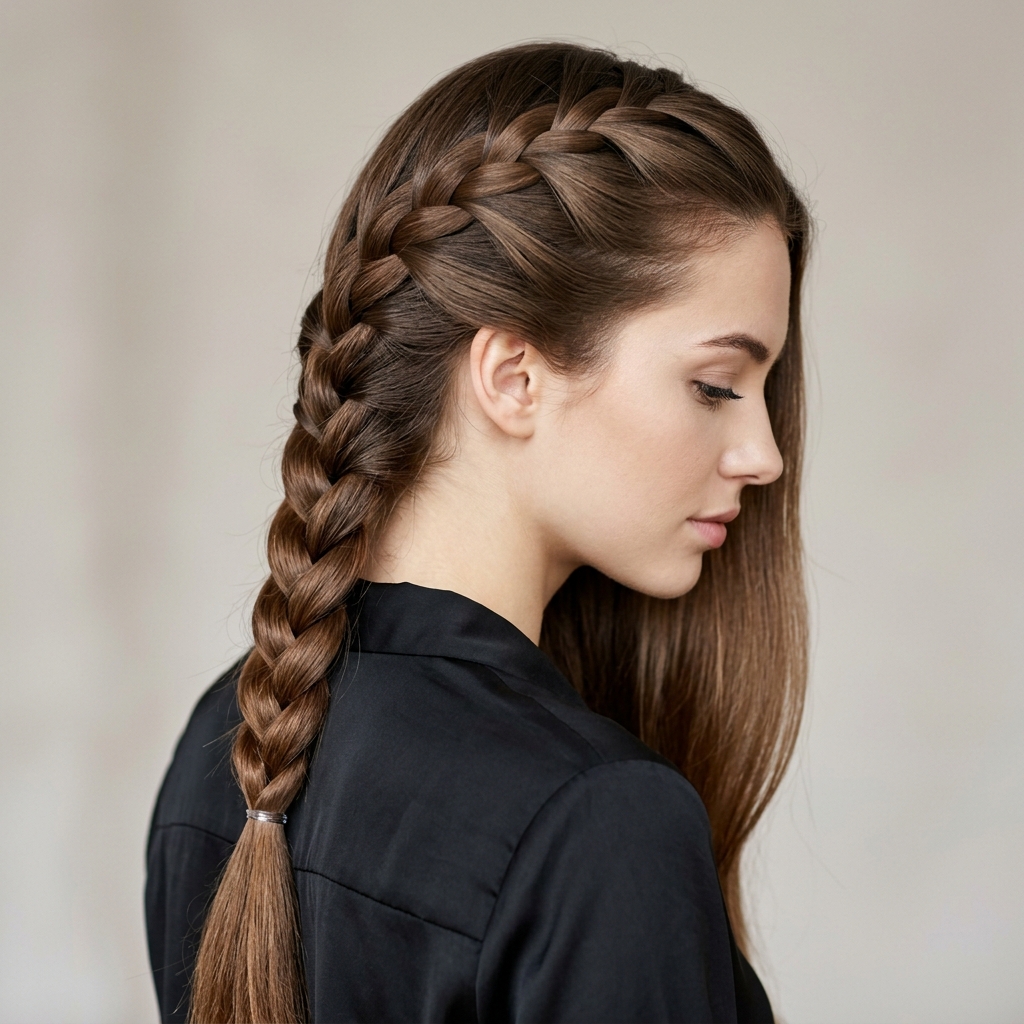
French Braid
The foundational braid technique — three strands with sections added from each side as you braid down. Timeless and secure.
All face shapes; medium to long hair; active lifestyles
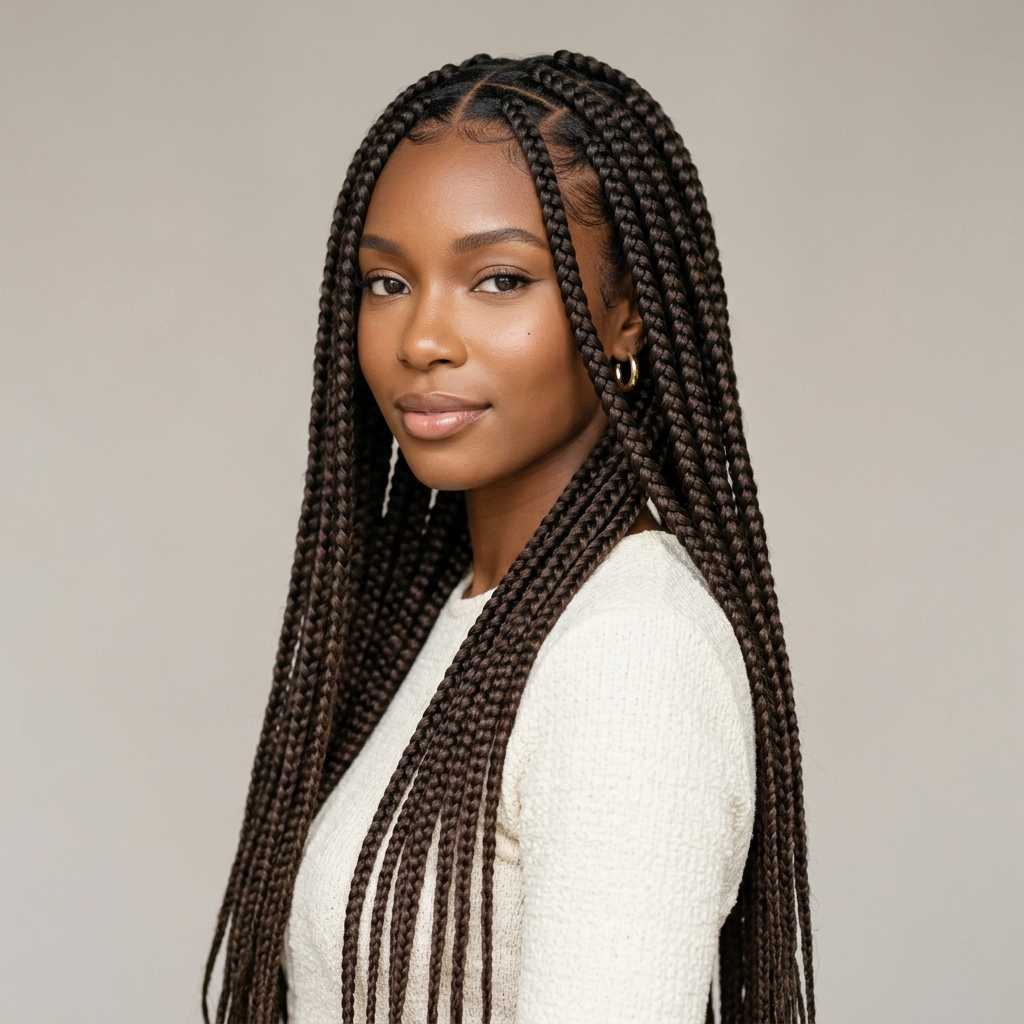
Box Braids
Individual braids created from sectioned boxes of hair. A protective style with roots in African tradition. Can be knotless for less tension.
Natural hair types 3C-4C; those seeking low-maintenance protective styling
Fishtail Braid
A two-strand braid that creates a woven, herringbone pattern. Looks intricate but is surprisingly simple.
All face shapes; long hair; bohemian and romantic aesthetics
Face Shape Compatibility
Any braid placement works. Try a crown braid for a regal effect or a side braid for casual elegance.
oval face guide →Top braids and braided crowns add height that elongates. Side braids sitting below the chin are also flattering.
round face guide →Loose, romantic braids with pulled-out pieces soften angular features. Avoid tight braids that emphasize the jawline.
square face guide →Side braids and braided half-ups balance the wider forehead while adding texture near the chin.
heart face guide →Crown braids and side braids add horizontal interest. Avoid single long braids that hang straight down.
oblong face guide →Braids worn to the side showcase cheekbones beautifully. Milkmaid braids (crown braids) are particularly stunning.
diamond face guide →Frequently Asked Questions
For basic three-strand braids, hair should be at least 3-4 inches (chin length) to hold a braid, though 6+ inches (shoulder length) is much easier to work with. French and Dutch braids can work on slightly shorter hair since they incorporate hair as they go. Box braids and many protective styles require at least 4-6 inches of natural hair, with extensions adding the remaining length.
When done correctly, braids don't damage hair — in fact, protective braids (box braids, cornrows, twists) shield hair from daily manipulation and environmental damage. However, braids that are too tight cause traction alopecia — receding hairline from tension. Signs of too-tight braids: scalp tenderness, bumps along the hairline, or visible tension at the roots. Always communicate if braids feel too tight.
The classic three-strand braid is the foundation. Once comfortable, progress to the French braid (same as three-strand but adding hair each cross). Then try the Dutch braid (French braid but crossing strands UNDER instead of over — it creates a raised, visible braid). The fishtail looks complex but only uses TWO strands, making it mechanically simpler than French/Dutch.
The pancaking technique: after completing the braid, gently pull each loop outward with your fingers, starting from the bottom and working up. This spreads the braid wider without loosening it. For thin hair, tease or texturize before braiding for more volume. Adding a dry shampoo or texturizing powder at the roots before braiding also creates grip and body.
Box braids, cornrows, and twists can typically stay in for 4-8 weeks. Beyond 8 weeks, product buildup, new growth, and tangling increase the risk of matting and damage. Wash the scalp (not the braids) every 7-10 days with diluted shampoo in a spray bottle. Moisturize the scalp between washes with a lightweight oil.
Find Your Perfect Match
Upload your photo and let our AI engine analyze your face across 15 parameters — face shape, bone structure, hair texture, and more — for personalized hairstyle recommendations.
Try HairPreview Free →